Trump Wants Cheaper Gas Now — Here's the Real Timeline
Trump is pushing the DOJ on slow pump-price drops. Four key forces explain why gas relief takes longer than politicians want.
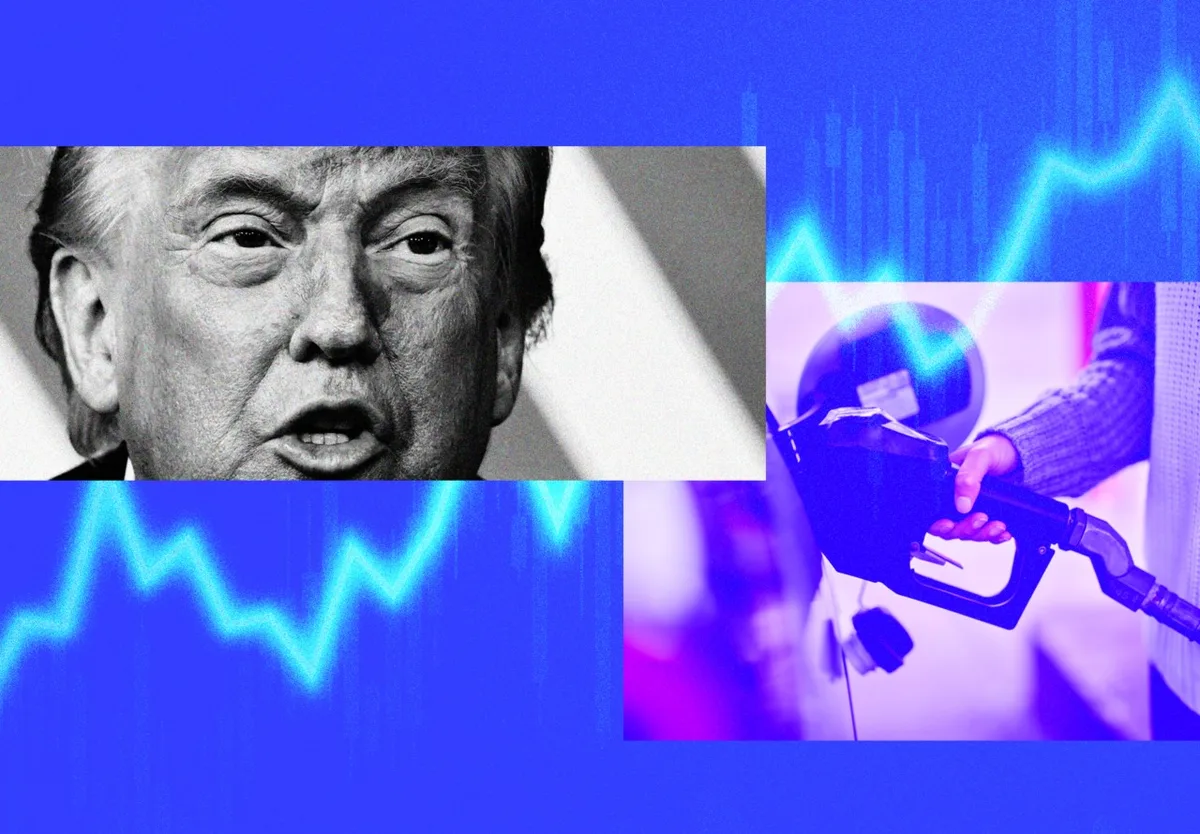
Trump is fed up with gas prices. He's reportedly pushing the Department of Justice to investigate why pump prices aren't falling faster — even as crude oil has been sliding. If you're filling up and wondering the same thing, you're not alone. But the answer isn't a conspiracy. It's economics.
The first thing to understand is the lag. Crude prices move in real time. Gas station prices don't. Refiners, distributors, and retailers all sit between the oil well and your tank, and each link in that chain adjusts on its own timeline. When crude drops, it can take days or even weeks for that relief to fully show up at the pump.
Read more June Existing Home Sales Miss Hard at 4.09M Annual Rate →
Refinery capacity is another friction point. If refiners are running tight margins or switching seasonal fuel blends — which happens every spring — output constraints can keep prices stubbornly high even when feedstock costs fall. Seasonal blend requirements are mandated, not optional, and they cost more to produce.
Then there's the retail layer. Independent gas station owners operate on thin margins and often hedge their inventory costs. They're not sitting on windfall profits when crude drops — they're managing their own cost basis, which may reflect oil prices from weeks ago. Expecting instant pass-through is unrealistic.
Finally, regional supply dynamics matter. Pipeline capacity, local taxes, and state-level regulations mean gas prices vary wildly across the country. A national average masks a patchwork of local realities. Bottom line: cheaper gas is likely coming, but the pump price always chases crude with a delay — no matter who's in the White House. Continue reading at MarketWatch.com