US and Iran Reach Initial Peace Deal: What Comes Next
The US and Iran have hammered out an early-stage agreement. A foreign policy expert breaks down what traders and citizens should watch next.
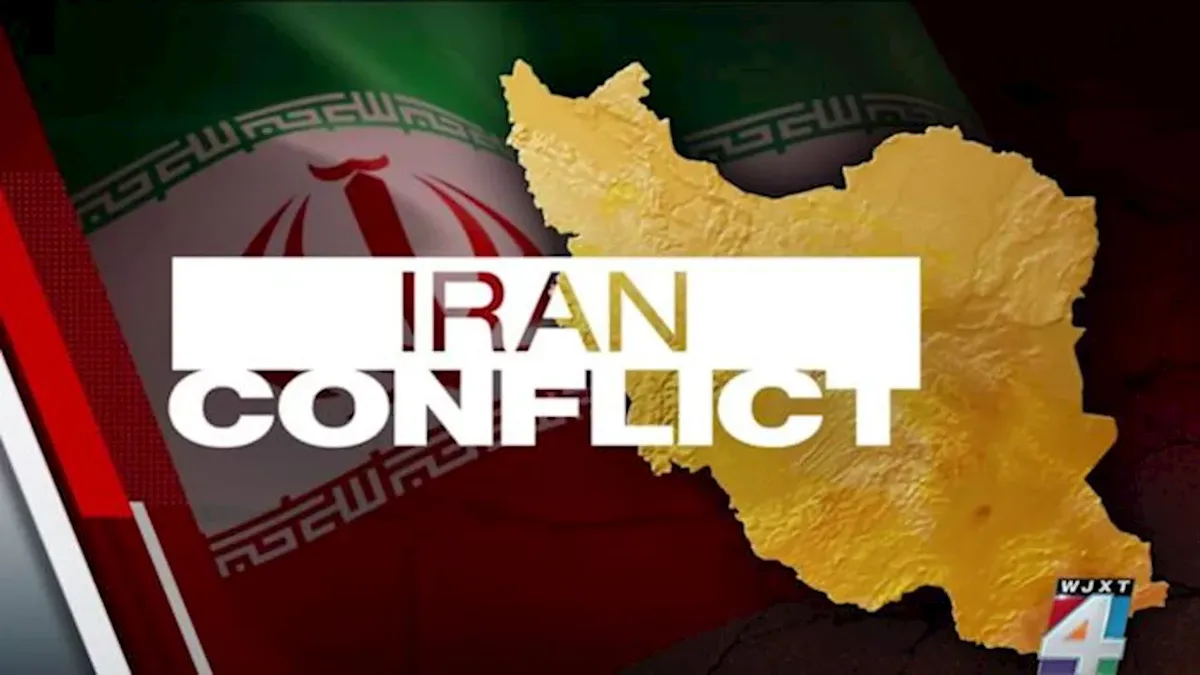
The US and Iran have struck an initial peace framework, a headline that carries serious weight for energy markets, Middle East stability, and global risk sentiment. If you trade oil, follow geopolitics, or hold assets sensitive to Persian Gulf tensions, this deal is worth your full attention right now.
Details from the agreement remain limited at this stage, but the fact that both sides have reached even a preliminary understanding marks a meaningful shift in a relationship that has been defined by sanctions, proxy conflicts, and mutual hostility for decades. Diplomatic progress at this level rarely happens overnight — it signals back-channel work that has been building for some time.
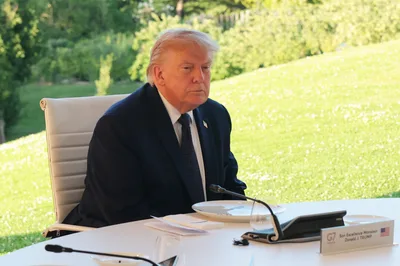
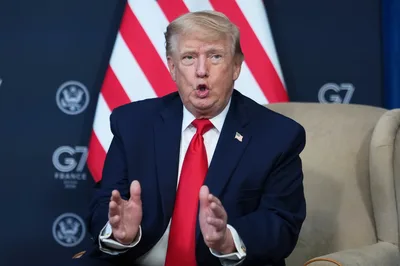
Read more Trump Joins G7 Leaders and Developing Nations in Working Session →
A foreign relations expert weighed in on what the framework actually means and what hurdles still stand between an initial deal and any lasting resolution. Historically, early-stage agreements between Washington and Tehran have collapsed before reaching implementation, so skepticism is warranted even as the opening is real.
For markets, the tradeable angle is straightforward: any credible de-escalation between the US and Iran puts downward pressure on oil risk premiums while lifting sentiment in emerging market assets tied to regional stability. Watch crude futures and Middle East-exposed equities for near-term moves as the story develops.
The bigger question is whether domestic political forces on both sides allow negotiators to hold the line. Iran's hardliners and US congressional opposition have each derailed diplomacy before. The next few weeks of follow-through — or breakdown — will tell you everything. Continue reading at headtopics (wjxt4).