US Strategic Petroleum Reserve Infrastructure Shows Age Under Pressure
Repeated emergency oil releases are straining the SPR's aging infrastructure, raising questions about its readiness for future crises.
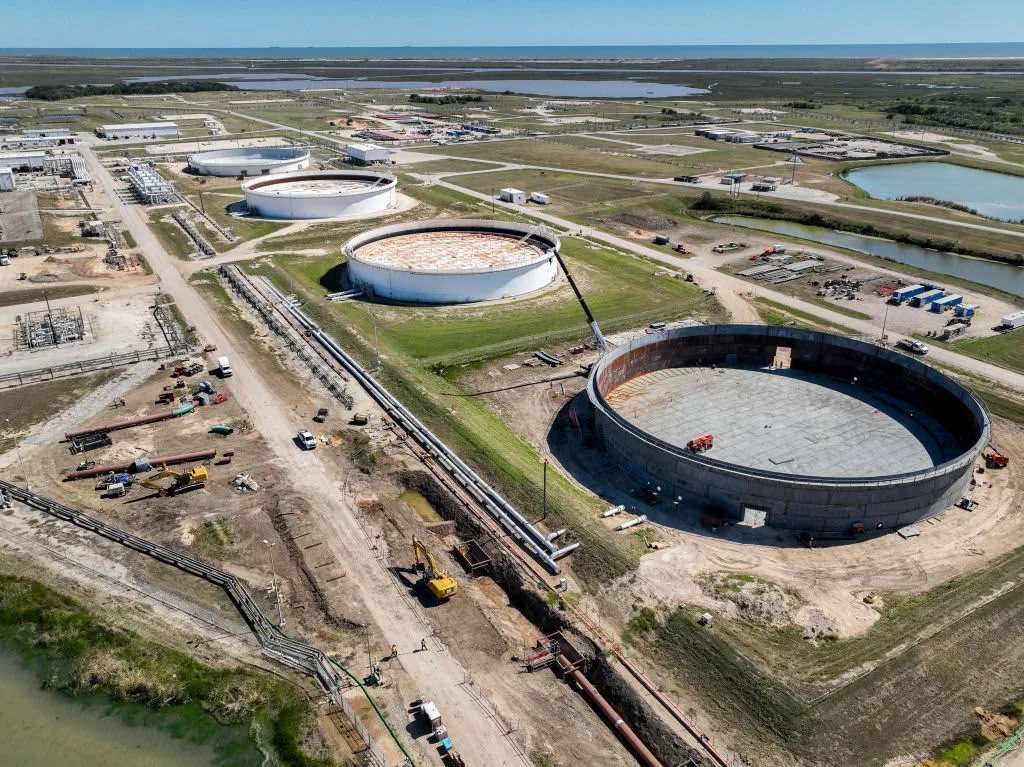
The US Strategic Petroleum Reserve is under stress, and not just from depleted inventory levels. The physical infrastructure holding America's emergency oil stockpile is showing its age after years of large-scale releases that pushed the system hard.
The SPR holds an authorized capacity of 714 million barrels, spread across a network of underground salt caverns along the Gulf Coast. That's a massive system — but it was built decades ago, and repeated draw-downs have exposed wear and tear that routine maintenance can't easily fix.
Read more Nasdaq Climbs as Amazon Surges, Apple Drags on Weak Outlook →
For traders, this matters more than most people realize. If the government can't reliably tap the reserve in a real supply crunch — think geopolitical shock or hurricane season gone wrong — then the SPR's role as a price stabilizer is weakened. That changes the calculus on oil volatility hedges and energy sector positioning.
The Biden administration made historic draws on the reserve to combat post-pandemic fuel price spikes, and those decisions accelerated stress on equipment that was already aging. Replenishing barrels is one problem. Getting the infrastructure back to full operational readiness is a separate and arguably harder challenge.
Bottom line: don't assume the SPR is a reliable backstop just because the authorization says 714 million barrels. Capacity on paper and capacity in practice are two different things right now. Continue reading at US Top News and Analysis.