Warsh vs. Bessent: Fed Independence Under Fire on Rates
Treasury Secretary Bessent is pushing into Fed territory on long-term yields, forcing a potential showdown over central bank autonomy.
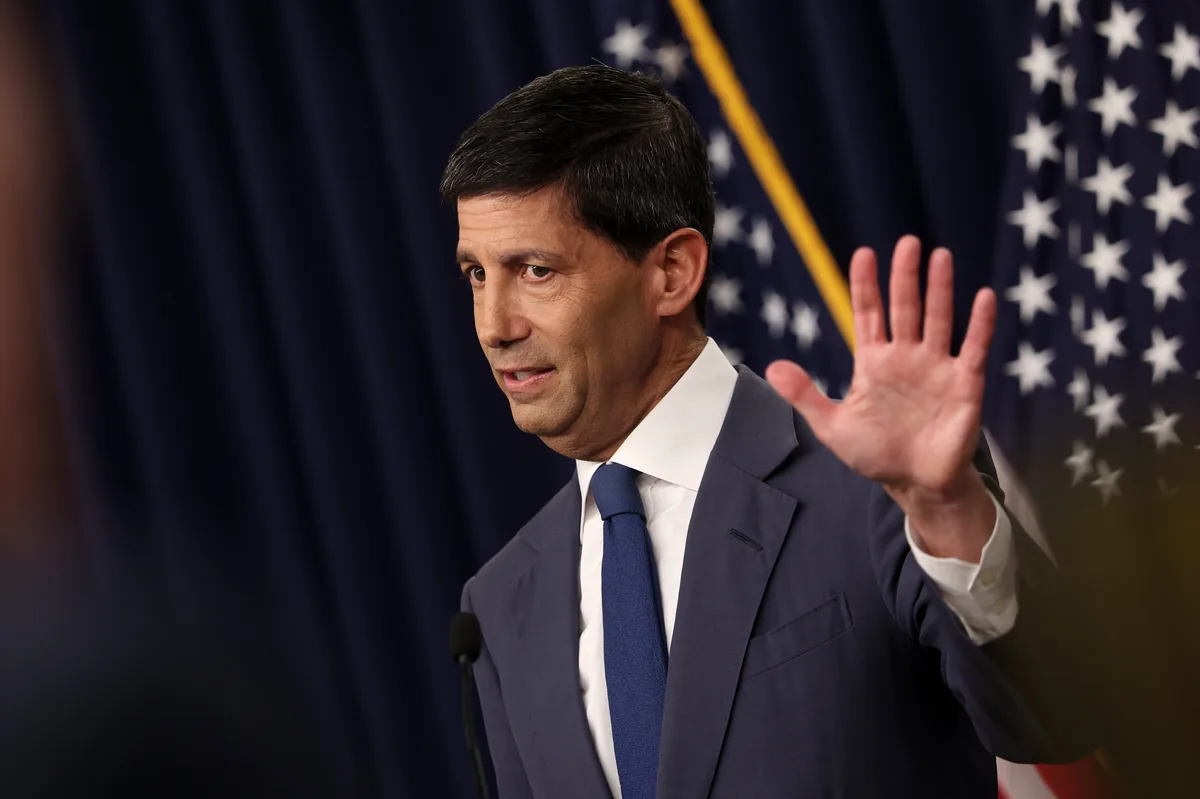
Here's the trade you need to watch: Scott Bessent is actively working to push long-term Treasury yields lower, and that move puts him on a direct collision course with whoever ends up running the Federal Reserve. Right now, that's Kevin Warsh in the waiting room — and this dynamic is about to get messy for bond markets.
Bessent's play is straightforward. He wants cheaper long-end borrowing costs, partly to ease the government's debt-servicing burden and support broader economic conditions. But here's the problem — that's traditionally Fed turf. The central bank's balance sheet and its bond market footprint are supposed to be driven by monetary policy objectives, not Treasury preferences. When Treasury starts pulling in the same direction, the line between fiscal and monetary policy gets dangerously blurry.
Read more TJX Rare Miss Rattles Wall Street — Is It Time to Buy? →
For Warsh, this is a credibility test before he even gets the job. If he signals willingness to coordinate with Bessent on yields and balance sheet decisions, markets will immediately question whether the Fed is truly independent — and that repricing of Fed credibility could spike volatility across rates, equities, and the dollar. If he pushes back hard, he risks a public spat with a powerful Treasury chief backed by the White House.
The institutional stakes here are massive. Fed independence isn't just a talking point — it's the anchor that keeps inflation expectations from spiraling. Any perception that the Fed is taking cues from Treasury on bond management could force a serious re-rating of U.S. rate risk. Watch the 10-year yield and Fed communication carefully. This tug-of-war is just getting started.
Continue reading at US Top News and Analysis